
Current Market Data

More inventory and increased negotiating room are shaping the Denver Metro housing market as the market settles into a new rhythm, according to the Denver Metro Association of Realtors®’ September Denver Metro Real Estate Market Trends Report. Closed sales

Popular bathroom upgrades in 2026 include bolder accents, specialized water features and structural changes.
S&P Dow Jones noted that although prices rose almost 2%, in real terms, they were down, thanks to inflation, which registered 3.4% in July.

New-home inventory fell to its lowest level since December.
The month-over-month bump in contract signings was still below the pace of last August.

Since the Hispanic Wealth Project’s founding in 2014, Hispanic household wealth has more than tripled across the U.S.

In Denver, buyers who wait until the last week of September to buy stand to see 30.4% more active listings.
At the same time, the median-sales price rose again, as months’ supply of homes for sale hit a 10-year high.

The increase in purchase activity offset a decrease in refinancings.
The pace of home-price growth rose nationally but with significant regional differences.

Buyers are reportedly looking for homes that reflect how they actually live, not how they could be living.
Active buyers are looking for more expensive homes, while price-constrained buyers are looking at fewer homes altogether.
Of the 50 metro areas surveyed by NAR, several stood out for year-over-year gains in contract signings.
Looking ahead, Cotality expects the median price of a home to increase 1.5% through June 2027.
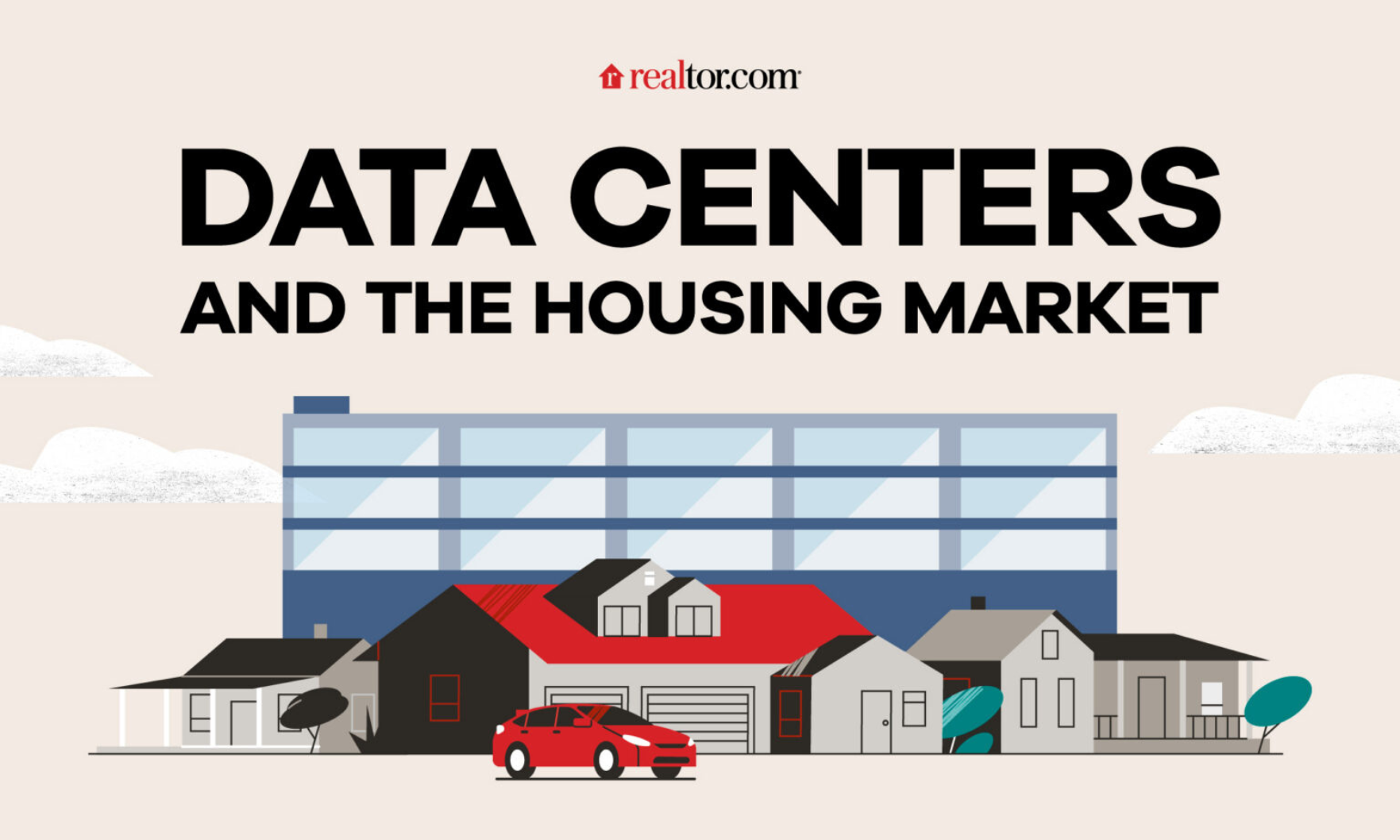
Three years after the opening of a large center, ZIP codes retained 66% of their pre-opening active listings, compared to 43% in similar areas without a data center.
Nationally, home-price growth topped 1% for the first time in 2026.